
Functional Medicine
Understanding Functional Medicine: A Holistic Approach to Health
Functional medicine is a patient-centered, science-based approach to healthcare that focuses on identifying and addressing the root causes of disease rather than just treating symptoms. It views the body as an interconnected system influenced by genetics, environment, lifestyle, and other factors. Practitioners aim to restore balance and optimal function, often combining conventional medicine with personalized nutrition, lifestyle changes, and targeted interventions. This systems-based model empowers patients and clinicians to work together for long-term wellness.
HOW IT WORKS
Functional medicine operates on the principle that health is more than the absence of disease—it's about achieving vitality and balance across all body systems. Practitioners use a detailed framework to map out a patient's unique story, including genetic predispositions, environmental exposures, and lifestyle habits.
Instead of focusing solely on a diagnosis, they ask "why" an imbalance or symptom exists. By addressing underlying dysfunctions—such as inflammation, hormonal irregularities, gut microbiome issues, or nutrient deficiencies—functional medicine seeks to reverse chronic conditions and promote self-healing. Treatments are highly individualized and may include dietary modifications, stress management, exercise, supplements, detoxification support, and mind-body practices. The goal is to support the body's innate intelligence and restore healthy physiological processes for lasting results.
One of the hallmarks of functional medicine is its use of advanced, comprehensive testing to uncover hidden imbalances that standard lab work might miss. While conventional blood tests (like basic CBC or cholesterol panels) provide a starting point, functional practitioners often order more in-depth assessments.
COMMON TESTS INCLUDE:
- Comprehensive blood panels (evaluating thyroid function, inflammation markers like hs-CRP, nutrient levels such as vitamin D, B12, and magnesium, metabolic markers like insulin and HbA1c, and more)
- Hormone testing (saliva or urine panels for cortisol rhythms, sex hormones, adrenal function)
- Gut health assessments (stool tests for microbiome balance, pathogens, inflammation, and digestion markers)
- Food sensitivity or intolerance testing
- Micronutrient and organic acid testing (to identify nutrient deficiencies or metabolic issues)
- Toxicity screens (for heavy metals or environmental toxins)
These tests help create a detailed picture of how the body is functioning, guiding precise, personalized interventions rather than a one-size-fits-all approach.
WHAT TO EXPECT:
Your first functional medicine appointment is typically much longer than a standard doctor's visit—often 60-90 minutes or more—to allow for a thorough exploration of your health. Expect an in-depth discussion of your complete medical history, current symptoms, family background, diet, sleep, stress levels, exercise habits, relationships, and environmental exposures.
The practitioner will listen carefully, perform a physical exam if needed, and discuss your health goals. Lab tests (blood, saliva, stool, or urine) are commonly ordered based on your unique situation. Follow-up visits (every 4-6 weeks initially) review results, track progress, and adjust the plan—which might include nutrition guidance, lifestyle recommendations, supplements, or referrals.
It's a collaborative process: you're an active partner, and changes often emphasize food, movement, and stress reduction before or alongside medications. Patience is key, as addressing root causes can lead to gradual, sustainable improvements.
WHO IS FUNCTIONAL MEDICINE FOR:
Functional medicine is ideal for anyone seeking a deeper, more personalized path to health, especially those who feel conventional care hasn't fully resolved their issues. It's particularly well-suited for people dealing with chronic or complex conditions, including:
- Autoimmune diseases (e.g., Hashimoto's, rheumatoid arthritis)
- Digestive disorders (IBS, IBD, bloating, food sensitivities)
- Hormone imbalances (thyroid issues, adrenal fatigue, menopause/andropause)
- Chronic fatigue, fibromyalgia, or unexplained pain
- Metabolic conditions (diabetes, insulin resistance, weight challenges)
- Mental health concerns influenced by physical factors (anxiety, depression, brain fog)
- Cardiovascular risks, allergies, skin issues, or frequent infections
It's also excellent for preventive care, optimizing wellness, or those with multiple interconnected symptoms who want to avoid or reduce reliance on medications long-term. Anyone motivated to make lifestyle changes and invest in their health can benefit from this proactive, whole-person approach.
Functional medicine complements conventional care and is best used in partnership with your primary providers for comprehensive health management.
YOUR NEXT STEP:
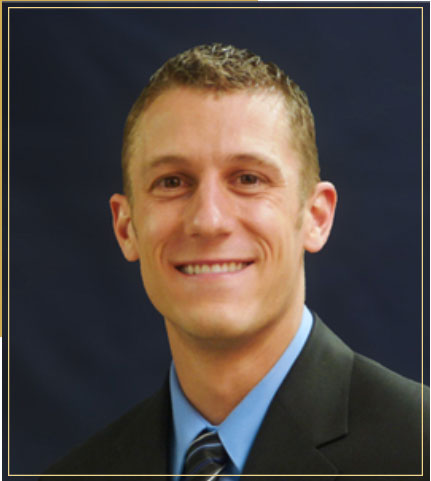
If you are interested in functional medicine, give Dr. Shaun a call today to set up your appointment. Phone: 612-757-6196.