
Acupuncture Therapy
HOW IT WORKS
Traditional Chinese medicine explains acupuncture as a method to balance the body's vital energy, known as qi, which flows through pathways called meridians. Inserting needles at specific points is believed to restore proper energy flow and promote healing.
From a modern scientific perspective, acupuncture's mechanisms are not fully understood but involve effects on the nervous system, tissues, and nonspecific responses. Studies show that needle insertion can stimulate nerves, trigger the release of natural chemicals like endorphins, serotonin, and other neurotransmitters, and influence the central nervous system. This may help reduce pain, modulate inflammation, and activate pathways such as the vagal-adrenal axis. Research, including animal and human imaging studies, indicates impacts on connective tissue and overall body signaling, though some effects may overlap with placebo responses.
THE TESTING
Acupuncture has been evaluated in thousands of studies, including randomized controlled trials, systematic reviews, and meta-analyses. Organizations like the National Center for Complementary and Integrative Health (NCCIH) at the NIH and sources such as Mayo Clinic note that evidence supports its use for certain conditions, particularly pain management.
High-quality evidence shows acupuncture is effective for chronic low back pain, neck pain, knee osteoarthritis, and tension-type headaches or migraines. It may help with postoperative pain, cancer-related pain (reducing intensity and analgesic use), and other issues like fibromyalgia or joint pain. Reviews from sources including the American College of Physicians recommend it as a noninvasive option for chronic pain. While some studies show benefits beyond sham acupuncture, results vary by condition, and evidence is mixed or limited for others. Overall, it is considered safe when performed by trained practitioners using sterile needles, with rare serious adverse events.
WHAT TO EXPECT
Your first acupuncture session typically begins with a detailed consultation. The practitioner will ask about your medical history, symptoms, lifestyle, sleep, digestion, and other factors. They may examine your tongue, feel your pulse on both wrists, and assess other diagnostic signs to tailor the treatment.
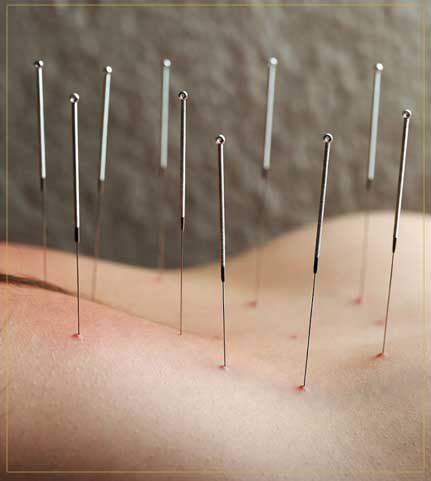
You will lie on a padded table, often in a calm room with dim lights and relaxing music. Wear loose, comfortable clothing, as sleeves and pant legs may need to be rolled up. The acupuncturist inserts very thin, sterile, disposable needles into specific points on your body. Insertion usually causes little to no pain—most people feel only a quick prick or nothing at all, followed by a mild aching, tingling, heaviness, or warmth (known as de qi).
A typical treatment uses 5 to 20 needles, left in place for 10 to 30 minutes while you rest. Sessions last 20 to 60 minutes total, with the first often longer. Afterward, many feel relaxed or energized. Some experience mild soreness at needle sites or temporary changes in symptoms. Multiple sessions are often recommended for best results, and you may be advised to rest briefly before driving.
WHO IS ACUPUNCTURE FOR
Acupuncture is suitable for a wide range of people seeking relief from various symptoms, often as a complementary approach alongside conventional care. It is commonly used by adults experiencing chronic pain, such as low back pain, neck pain, joint pain from osteoarthritis, migraines, tension headaches, or fibromyalgia.
It may benefit those with stress, anxiety, insomnia, digestive issues, menstrual cramps, postoperative or cancer treatment-related symptoms (like nausea or pain), and other conditions where evidence suggests potential help. Many turn to it for overall wellness, relaxation, or to reduce reliance on medications like painkillers. It is generally safe for most, including older adults, but consult a healthcare provider first, especially if pregnant, have certain bleeding disorders, or use pacemakers (for electroacupuncture). A licensed, trained practitioner ensures the best experience.
YOUR NEXT STEP:
If you are interested in acupuncture, give Dr. Shaun a call today to set up your appointment. Phone: 612-757-6196.